
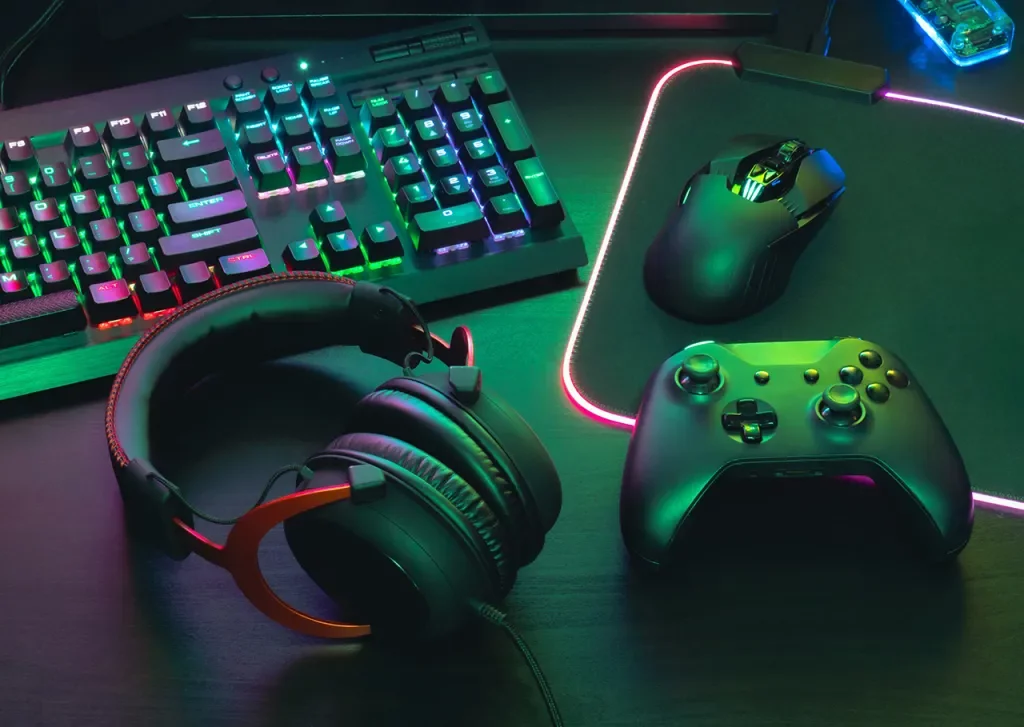
Somewhere out there, a gamer named Dev is staring at an empty corner of his living room, imagining what it could become. He’s got a PlayStation 5 boxed up, an old Xbox waiting for a second life, and a Nintendo Switch that never leaves the coffee table. The dream is simple: turn that dead space into a proper downtime headquarters, the kind of setup where a Zelda marathon flows into a State of Play watch party, and where every kind of entertainment has its place. Building that corner isn’t just about wires and shelves — it’s about giving yourself a menu of ways to unwind, from big-budget epics to quick sessions of low-stakes luck.
That last piece — the quick, luck-based fun — is where a lot of setups branch out beyond consoles. For US players curious about offshore online options, Visit https://offshorecasinosscout.com ranks and reviews sites that accept American players, breaking down how welcome bonuses actually work, what wagering and rollover terms really mean before a balance can be withdrawn, and how payout speed and banking methods — from crypto to standard cards — stack up. It also walks through the legal grey area US players sit in and pairs all of it with responsible gambling guidance, so anyone treating a spin as pure entertainment knows what they’re signing up for. For someone like Dev, that kind of plain-English breakdown is exactly what separates an informed choice from a blind click.
Starting With the Console Corner
Every great setup has an anchor, and for most gamers it’s the console corner. Dev’s plan starts with the PS5 front and center, an Xbox Series X tucked beside it for Game Pass nights, and the Switch docked for when a co-op session of Mario Kart or a slow evening in Tears of the Kingdom calls. The trick is airflow and cable management — nothing kills the vibe faster than a nest of HDMI cords and a console throttling itself into a coughing fit.
Beyond the hardware, the corner is really about variety. One night it’s a story-driven single-player run; the next it’s browsing showcase reactions after a big reveal. A well-built corner refuses to lock you into a single kind of play. That flexibility is the whole point — and it’s what makes room for the lighter, luck-based entertainment that comes later in the evening.
Comfort Is Half the Battle
Dev learned the hard way that a folding kitchen chair does not survive a six-hour Elden Ring boss gauntlet. Seating matters more than most people admit. A supportive chair changes how long a session feels and how the body holds up afterward, which is why guides on the best gaming chairs get bookmarked so often by enthusiasts sizing up an upgrade.
Comfort isn’t only the chair, though. Lighting sets the mood — warm bias lighting behind the screen cuts glare and eye strain. A small side table keeps a drink and controller within reach. The goal is a space you actually want to sit in for hours, whether you’re grinding a raid or just tapping through a few relaxed rounds of something simple before bed.

Audio, Screen, and the Little Upgrades
A screen makes or breaks the experience. Dev is torn between a big OLED TV for couch play and a fast monitor for the PC he keeps threatening to build. Either way, refresh rate and response time matter more than raw size. Pair that with a solid soundbar or a good headset, and suddenly a quiet indie title feels immersive instead of flat.
The small upgrades add up fast. A charging dock so controllers are never dead. A shelf for physical games and amiibo. Maybe a second display for chat and guides. Anyone plotting these tweaks tends to fall down a rabbit hole of advice — pieces on how to level up your setup are full of the kind of practical, incremental ideas that turn a decent corner into a genuine hub.
Mixing In Lighter, Luck-Based Entertainment
Here’s where Dev’s setup earns its “ultimate” label. Not every night is a demanding, reflex-heavy marathon. Sometimes the appeal is the opposite — something breezy, driven by chance rather than skill, that asks for nothing but a few minutes of casual attention. That’s the same pull behind loot drops and slot-style minigames baked into so many titles.
Offshore online casino sites lean into that exact feeling for adults who want it, offering game libraries stocked with slots, table games, and other quick-luck options. The key is treating it as one entertainment choice among many, not the centerpiece. Understanding bonus terms and banking before diving in keeps it firmly in the “fun” column — right alongside the console corner rather than crowding it out.
Keep the Setup Healthy Too
One thing Dev nearly forgot: the human sitting in the chair needs maintenance too. Screen time adds up, and habits matter. Research on how screen use affects visual fatigue is a good reminder that posture, breaks, and viewing distance shape how long any hobby stays enjoyable. Stand up, stretch, and step away between sessions.
The same balance applies to the luck-based side of things. Setting time and spending limits, taking breaks, and keeping it light are what let downtime stay genuinely restful.
So Dev finally plugs in the last cable, drops into that new chair, and looks at the corner he’d only imagined weeks ago. Consoles humming, screen glowing, a whole menu of ways to relax laid out in front of him. Big epic tonight, maybe a few casual spins tomorrow. The ultimate setup, it turns out, was never one thing — it was room for all of it.
