
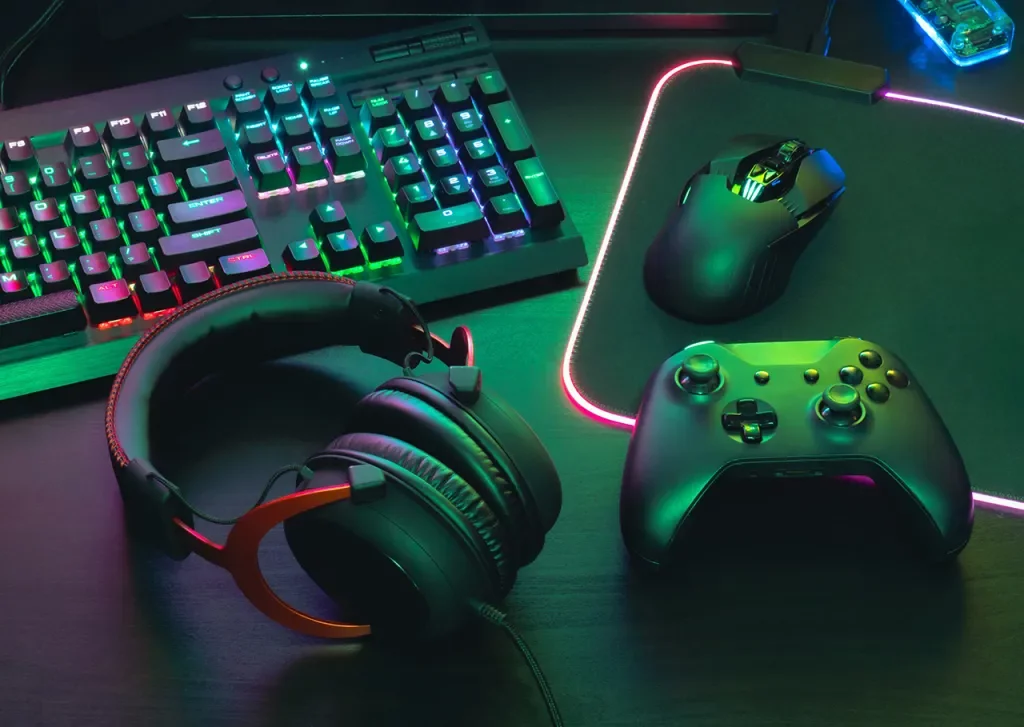
Online games are watched by millions of people daily. Some chase fame. Some simply wish to convey a passion. But most new streamers lack one thing: They don’t always care about the game on the screen. The true product is the people who watch it.
The Psychology Behind Live Chat Engagement
Live chats for gamers work on a very different basis than social media comments. The selection of the people who get seen is not based on an algorithm. Messages disappear in seconds. It’s all now and here.
This sense of urgency fosters a unique intimacy that can’t be found anywhere else on the web. Although something similar can be experienced in online chat with random strangers.
Perhaps you should see how it works or even use platforms like CallMeChat as training. This way, a streamer gets the opportunity to communicate, for long periods of time, and always with strangers. There will be both kind and loyal people, as well as those who want to argue about something. Perfect training for a streamer.
Audiences who feel like they are being “heard” by the creator are much more likely to be returning viewers, research shows in the area of parasocial relationships. If a streamer calls out a user’s name and reads it to the viewer, responds to a joke, or mentions something a viewer said ten minutes ago, the viewer feels real. Not like a number. And they come back.
Setting the Tone From Day One
A stream’s culture is formed early, if not the first broadcast. The viewer can observe what the streamer does when he gets off-topic comments, spams, negativity, toxic behavior. Fast. One avoidant slur that goes through without consequence reveals to the entire room what’s OK.
Smart streamers, set explicit expectations. This could be a rules panel that is visible on their profile, a rules command in chat, or directly addressing it on stream. Short, clear, no lectures. A statement such as: “We maintain hygiene here and we make it fun. Then, stick to it. Community norms are only adhered to when they are predictable.
Moderation: The Invisible Architecture
Effective moderation is almost undetectable when it is effective. They can barely be detected by viewers. If it doesn’t work, it’s noticed.
Tap into your current community of users for moderators and users who’ve been around, who know the vibe, who aren’t waiting to abuse the power. One or two trusted mods in the stream, even in a stream with 30 viewers is beneficial.
Automated tools will help also. Bots can be used to filter slurs, catch link spam, and slow-mode chat, when things get crazy. But culture is not something that bots build. Humans do.
Building Rituals That Keep People Coming Back
Consistency creates ritual. Ritual creates community. Sounds simple. Yes, it is — but most streamers don’t know how strong a repeated structure can be. Audiences are trained through streaming at the same time weekly. If the viewer appears three Thursdays consecutively, then they are developing a habit. That practice becomes loyalty.
In addition to scheduling, small, recurring moments are very significant. A sound that is heard when a user registers. A secret shared with a group of people for several months.
Challenge segment every Friday. These elements serve as glue – rewarding those people who have been here long enough to get the reference, and providing new viewers something to aspire to understanding.
The Role of Nicknames and Recognition
It does amazing things when you refer to regular viewers by their name — or better yet, a nickname they’ve earned. It indicates that this is not a show! It’s a place. A destination. Humans go back to where they’re known.
Some streamers keep an internal or external record of regulars and what they do, their favorite games, etc. if they’ve missed. Others employ chatbots with a history of viewers. Either method works. The premise is the same: let people know that they are valued.
Growing Slowly Is Growing Well
The new streamer will always be the first to optimize for numbers instead of people. They pursue raids, follow-for-follow, and self-promoting within subreddits. Some of it has short term effects. Only a small amount of it creates a true community.
Twenty viewers who click, come back and tell a friend about you are better than two hundred passive lurkers. The streamers who have been a year — not a week — have been in business have done their homework. They began to ask themselves “how do I make tonight’s stream better for the people already here?”.
Collaboration as Community Expansion
Raid another streamer, host co-op with another streamer, or be a guest on another streamer’s channel — These are the most natural ways to expose your personality to a new audience. They’re viewing you through a context that’s not driven by a promotional message.
Pick collaborators that share your audiences, in terms of values and interests, not just games. Any streamer with a similar sense of humor and energy will bring you the right kind of viewers. Fit and volume are NOT the same thing.
The Long Game
Creating a streaming community is really a slow process. No substitute for being present, being in the room, giving a shit. With statistics and strategy help — but scaffolding.
The architecture is of moments. A laugh that lands. A hard round that you had to endure and get through. A night where the chat was great, you forgot to check how many viewers were there.
It is this that will keep people coming back. Not the game. The place.
